
Reman vs Used
Engines & Transmissions:
Parts and Pros
Understanding your options makes a world of difference when refreshing your vehicle’s engine. One common debate among car enthusiasts and everyday drivers is whether opting for a remanufactured or used engine is better.
We explain the differences between remanufactured and used engines in this post. With our advice, you can make an informed decision that protects your vehicle’s health and longevity.
Parts and Pros Engines and Transmissions for most 1ton and under applications carry an industry leading 3, 5 or 7 year/100,000-mile parts and labor warranty. Please Note this is on Certain Models, Please ask your Parts and Pros Specialist for more Details-Only a Parts and Pros Specialist can customize a Warranty for your Power Component
It is a No-Fault warranty that guarantees a replacement engine and labor even if the failure is not due to a defect. This means that regardless of cause of failure, you’re guaranteed a one-time power component replacement with labor, under the terms of the original warranty. It reimburses up to $100 per hour, has up to $50 fluids coverage, up to $100 towing coverage, and $350 rental coverage.
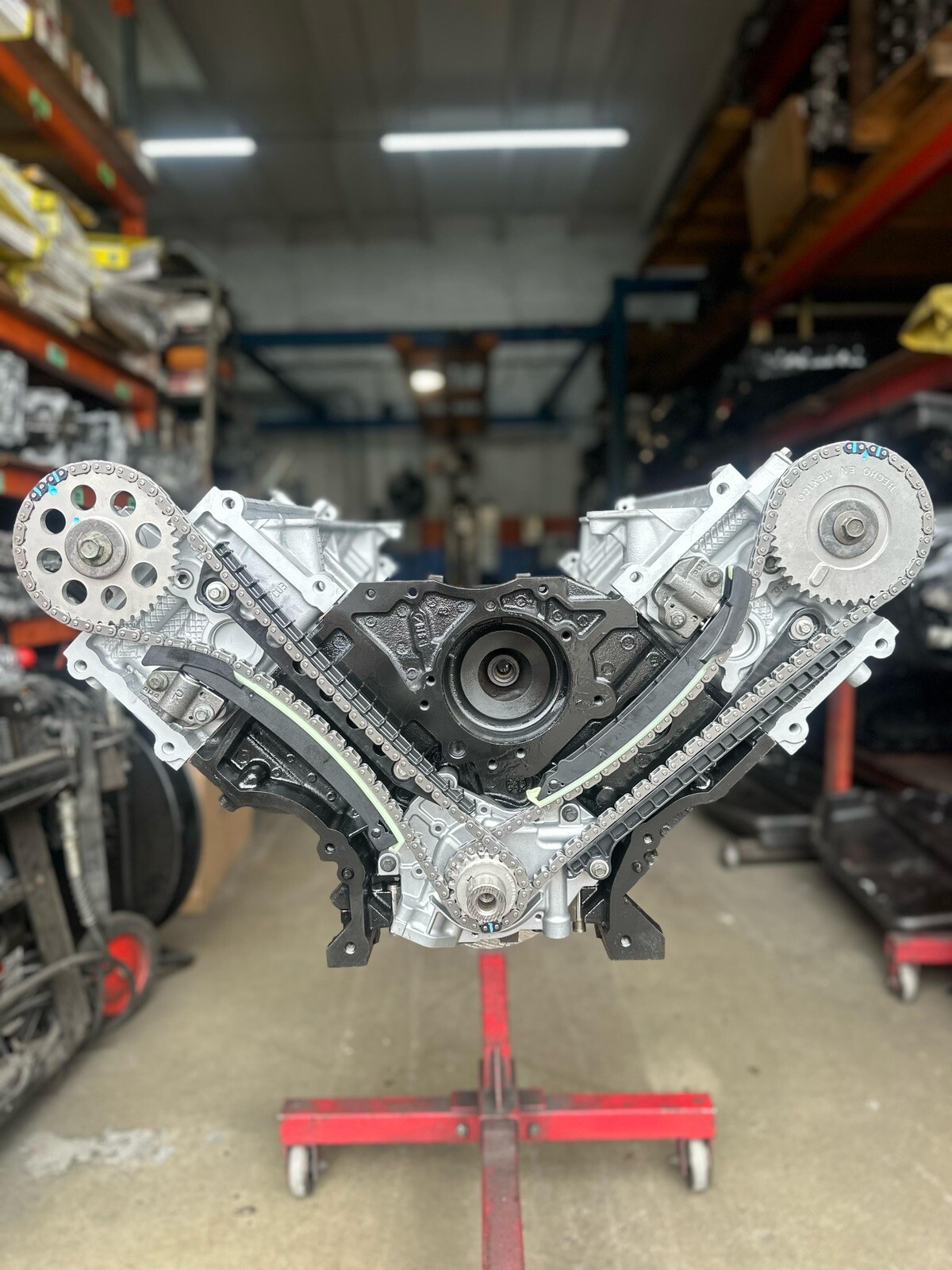
What Is a Remanufactured Engine?
A remanufactured engine undergoes a detailed process to restore it to near-new condition. Unlike a used engine, skilled auto engineers will disassemble, clean, inspect, and rebuild with new components as necessary. This rigorous process helps the engine meet the original factory specifications.
Benefits of Remanufactured Engines
Remanufactured engines come with many benefits. First, extensive quality control and testing gives them unmatched reliability. Typically, they come with warranties, giving the buyer peace of mind. Additionally, remanufactured engines are generally more fuel-efficient and produce fewer emissions, making them a more environmentally friendly option.
Potential Drawbacks
However, remanufactured engines can have potential drawbacks. Due to a comprehensive rebuilding process, they’re often more expensive than their used counterparts. You may also find limited availability, especially for older or less common vehicle models.
What Is a Used Engine?
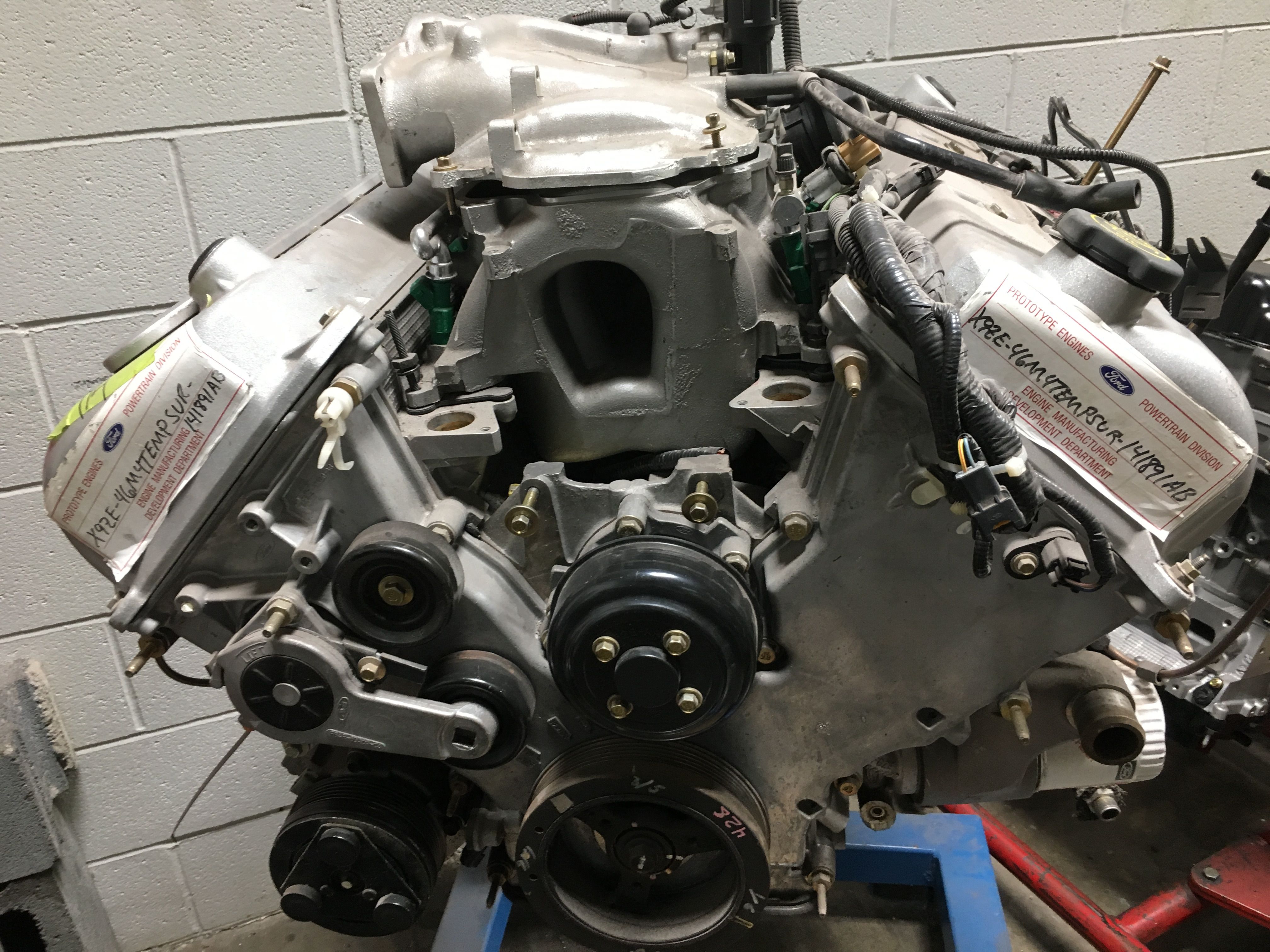
On the other hand, a used car engine is exactly what its name implies: an engine that originally belonged to another vehicle. They typically come from wrecked or decommissioned vehicles that still have working engines.
Pros of Installing Used Engines
The primary advantage of installing a used engine is its cost-effectiveness. Used engines are significantly cheaper than remanufactured ones, making them a good option for those on a tight budget. They’re also more readily available, a crucial consideration if you need an engine replacement quickly.
Cons of Installing Used Engines
Reliability is the most significant concern since used engines typically don’t undergo the same rigorous testing and rebuilding processes as remanufactured engines. They often come with no warranty, adding an element of risk to your purchase. Additionally, used engines may have undisclosed issues or wear and tear that can complicate matters down the line.
The Primary Differences Between Remanufactured and Used Engines
The key differences between remanufactured and used engines center around quality, reliability, cost, and environmental impact. Understanding these differences will help you determine which engine type is right for your vehicle.
How Long Does a Remanufactured Engine Last?
The lifespan of a remanufactured engine is closer to a brand-new engine if owners properly maintain it. Auto technicians rebuild these engines to meet or exceed OEM standards, so they should last as long as a new engine. This longevity makes the higher upfront cost of a remanufactured engine more bearable.
Tips for Deciding Between a Remanufactured and Used Engine
Remanufactured Engines for All Popular Makes and Models offered
Why Remanufactured Crate Engines Are a Smart Investment In today’s automotive market, finding a cost-effective and reliable solution for engine replacement is crucial. One such solution is investing…
Performance Tuning Tips for Remanufactured Engines performance-tuning-tips-for-remanufactured-engines/)Remanufactured engines offer a cost-effective and environmentally friendly alternative to buying new engines or vehicles. However, performance tuning is essential…
New or Remanufactured Engines: Which Is Right for You? new-or-remanufactured-engines-which-is-right-for-you/)Many older vehicles experience engine troubles and require immediate attention. When replacing your vehicle’s engine, you may find yourself choosing…
The Engine Remanufacturing Process Explained In the realm of automotive maintenance and restoration, the engine remanufacturing process stands out as a testament to engineering ingenuity…Parts and Pros will be with you every step of the way.